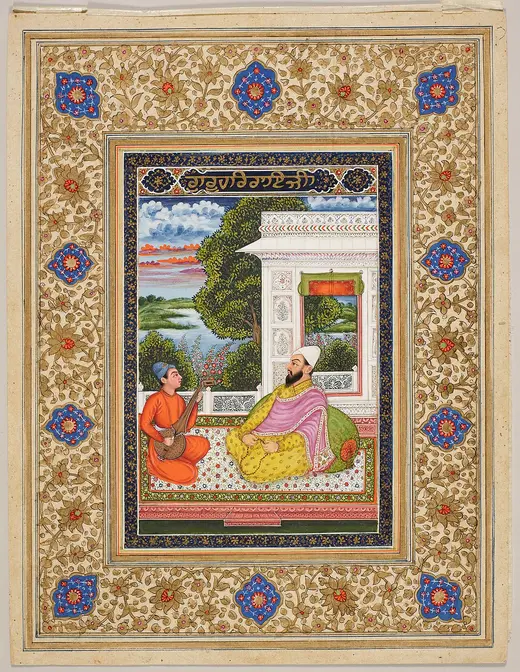
Ram Rai at court and the choice of a younger son
Ram Rai alters the verse
Asked about a line of Sri Guru Nanak Dev Ji that seemed to slight Muslims, Ram Rai changed a word to satisfy the emperor.
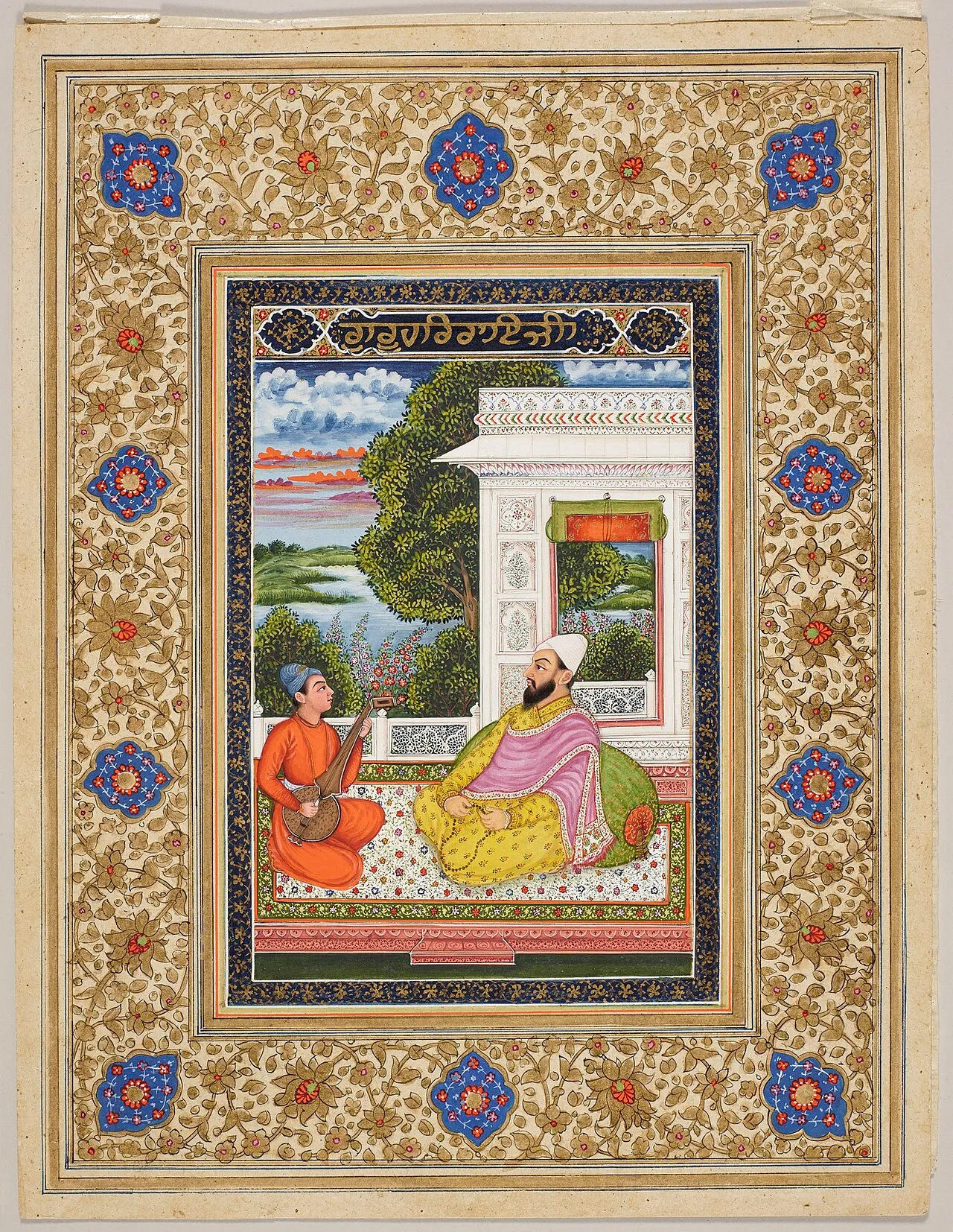
The story, as Macauliffe retells it from the Sikh chronicles and as the Encyclopaedia summarises it, begins with Ram Rai winning favour in Delhi through wonders performed at court. Then he was asked to explain a line from the Asa ki Var, in which Sri Guru Nanak Dev Ji says that the clay of a Muslim's grave falls to the potter, who shapes it into pots and bricks that cry out as they burn.
To the emperor's advisers this sounded like an insult, since burning was linked to damnation. Ram Rai thought quickly and said the text had been corrupted by careless people. Sri Guru Nanak Dev Ji had written faithless, he said, not Muslim. The court was satisfied and Ram Rai was rewarded.
The Sikhs of Delhi sent a messenger to Kiratpur. Sri Guru Har Rai Ji was deeply hurt that the words of Sri Guru Nanak Dev Ji had been bent to please a ruler, and refused to see the son again. Ram Rai remained in Mughal favour, received land in the Garhwal hills, and set up the centre from which Dehra Dun takes its name.
How do we know?
Several traditional accounts tell this story, without close independent support.
The line itself can be checked in the Asa ki Var, but the court exchange rests on later Sikh tellings. The miracle stories told of Ram Rai belong to the same tradition, and this page reports rather than judges them.
- Later traditionSays Ram Rai substituted beiman, faithless, for Musalman in the Asa ki Var line about a grave's clay and the potter.[EoS]
- Later traditionReports that the misreading was deliberate, that the accompanying Sikhs sent word, and that Guru Ji barred Ram Rai from the presence.[EoS]
- Later traditionRetells the court scene at length, with Ram Rai reasoning that a sulky emperor would make all his earlier miracles worthless. (pp. 308-309)[Macauliffe]