The south and the north
Mount Sumeru and the Siddhs
Sri Guru Nanak Dev Ji climbed to the Siddhs' mountain, the sources say, and refused their yoga and their jewels.
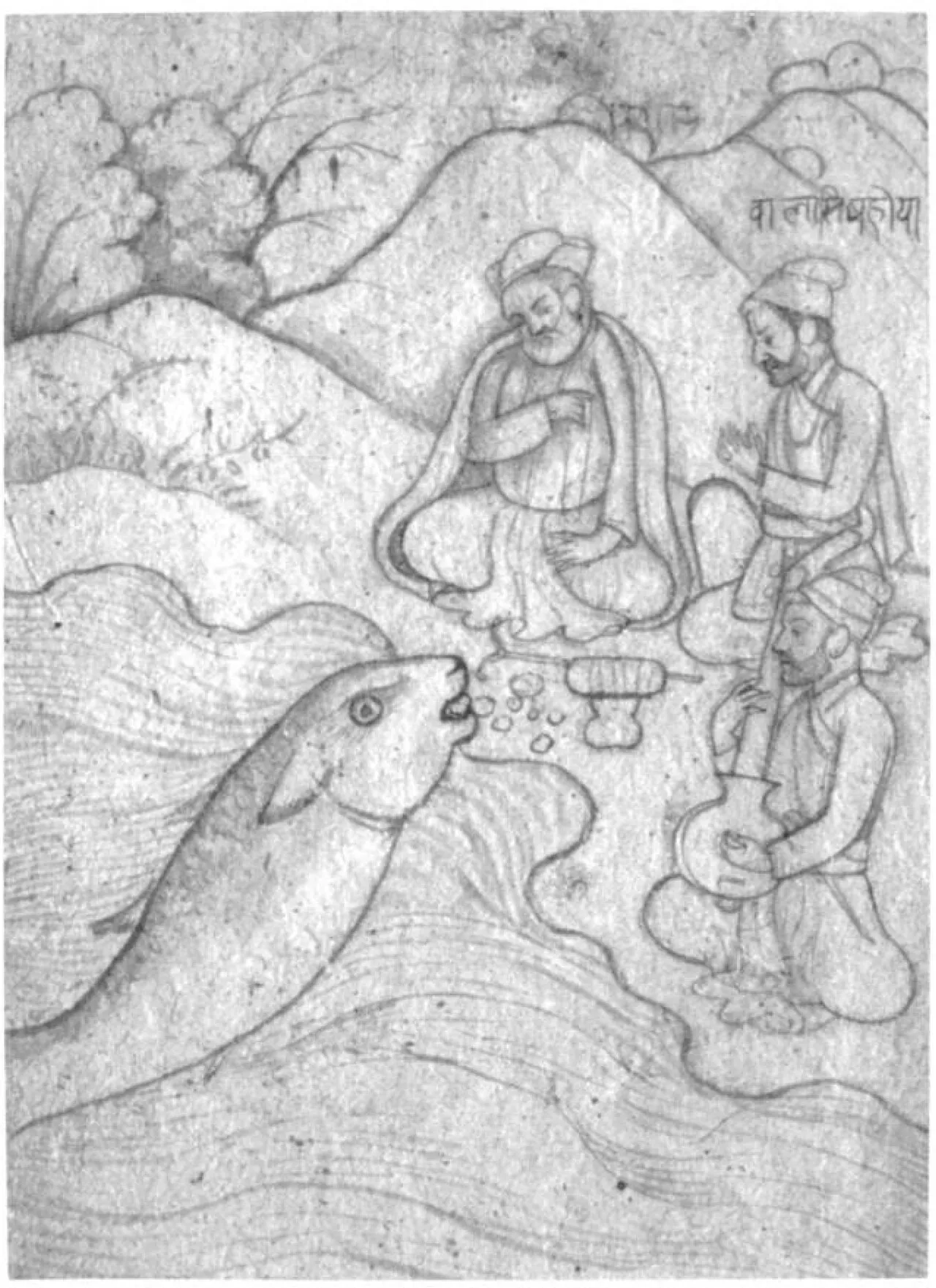
In Bhai Gurdas's first Var, Sri Guru Nanak Dev Ji climbs Sumeru and finds Gorakh and the eighty-four Siddhs seated there. They are startled and ask who has brought him and what his name is. They then ask how things stand on the earth. He answers that truth has grown dim and falsehood is everywhere, and that those who could help have gone to hide in the mountains.
The Siddhs decide that such a person would make their order famous, and try to win him. They hand him a begging bowl to fetch water. At the stream he sees only rubies and jewels. He comes back and tells them there is no water there. Bhai Gurdas ends by saying that it was through the Word that the Siddhs were overcome.
How do we know?
The sources conflict on this story, or scholars doubt it.
Some writers identify Sumeru with Kailash; McLeod rejects the identification.
- Early sourceTells of Sumeru, questions from Gorakh and eighty-four Siddhs, Guru Ji's account of a corrupt age below, and a bowl sent for water to a stream full of jewels. (pauris 28-31)[Src]
- ScholarshipCalls the tradition strong but rejects it, because the mountain is mythical, the Siddhs lived in other ages, and the story seems to have grown out of a set of sloks in Var Ramkali, though he leaves a Himalayan journey undecided. (pp. 119-122)[McLeod]
- ScholarshipCounts Sumeru among legends of travel to mythical places.[EoS]
- ScholarshipSuggests the Sidh Gosti may gather points from discussions at several sites, including Sumeru, in reflective recollection.[EoS]