The passing of Sri Guru Nanak Dev Ji and the remains
The flowers and the sheet
The Janamsakhis say Hindus and Muslims argued over the body, and that under the sheet only flowers remained.
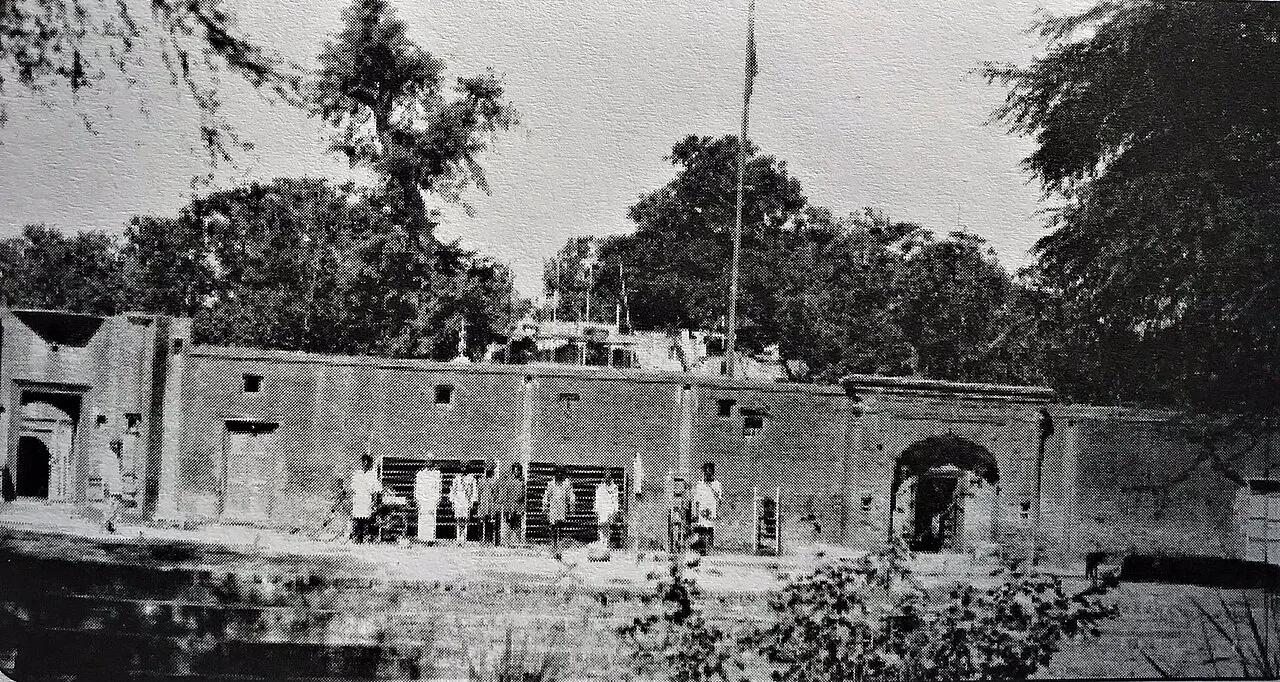
According to the Puratan Janamsakhi, word spread that Sri Guru Nanak Dev Ji was near the end, and Hindus and Muslims came from everywhere. After naming a successor Guru Ji sat beneath a withered acacia, which came into leaf. Then the two communities began to argue: the Muslims wanted to bury the body and the Hindus to cremate it.
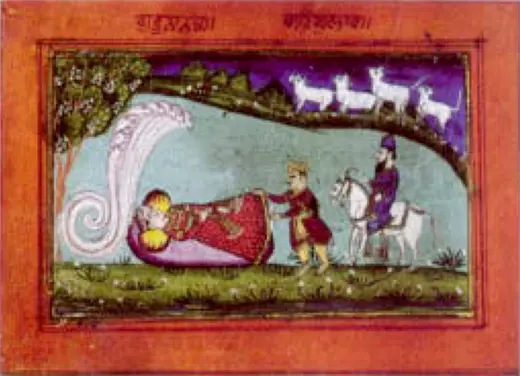
Guru Ji settled it. Let the Hindus lay flowers on the right, and the Muslims on the left, and whoever's flowers were still fresh next day could do as they wished. Hymns were sung, including the Sohila and the Arati, and the closing slok of the Japu. Guru Ji drew up a sheet and lay down.
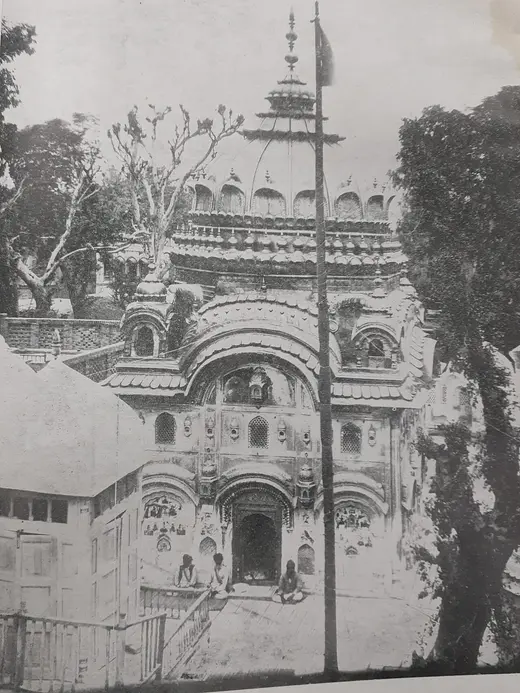
When the sheet was lifted, the body was gone, and all the flowers were fresh. Each side took its share.
Surat Singh, a Punjabi disciple of a Sufi order, writing by 1647, heard a different story from the attendants at the site. As Hindus and Muslims argued, there were suddenly two bodies, so one was burned and one buried. An Afghan disciple meanwhile crossed the Ravi to say he had just shared a meal with Guru Ji on the far bank.
How do we know?
The sources conflict on this story, or scholars doubt it.
The two forms of the story differ in striking ways. The version told at the site can be dated to 1647, which is earlier than any securely dated Puratan manuscript, though not necessarily earlier than the Puratan story.
- Later traditionSummarises the Puratan: flowers on either side, freshness to decide the matter, a sheet, hymns, and the body gone in the morning. (pp. 50-51)[McLeod]
- ScholarshipCites Puratan and B-40 for the dispute and reads it as the closing note of the theme of Guru Ji as unifier. (p. 255)[McLeod]
- Early sourceRecords a version told at the site before 1647 in which two bodies appear, one cremated and one buried, and an Afghan disciple meets Guru Ji alive across the Ravi.[(translator)]
- ScholarshipCalls the disappearance legend, and notes similar stories of Kabir and others. (p. 101)[McLeod]