Bahadur Shah, Nanded and the passing of the Guruship
Banda Singh is sent north
Guru Ji met the Bairagi Madho Das, initiated him, and sent him to the Punjab with five arrows and five Sikhs.
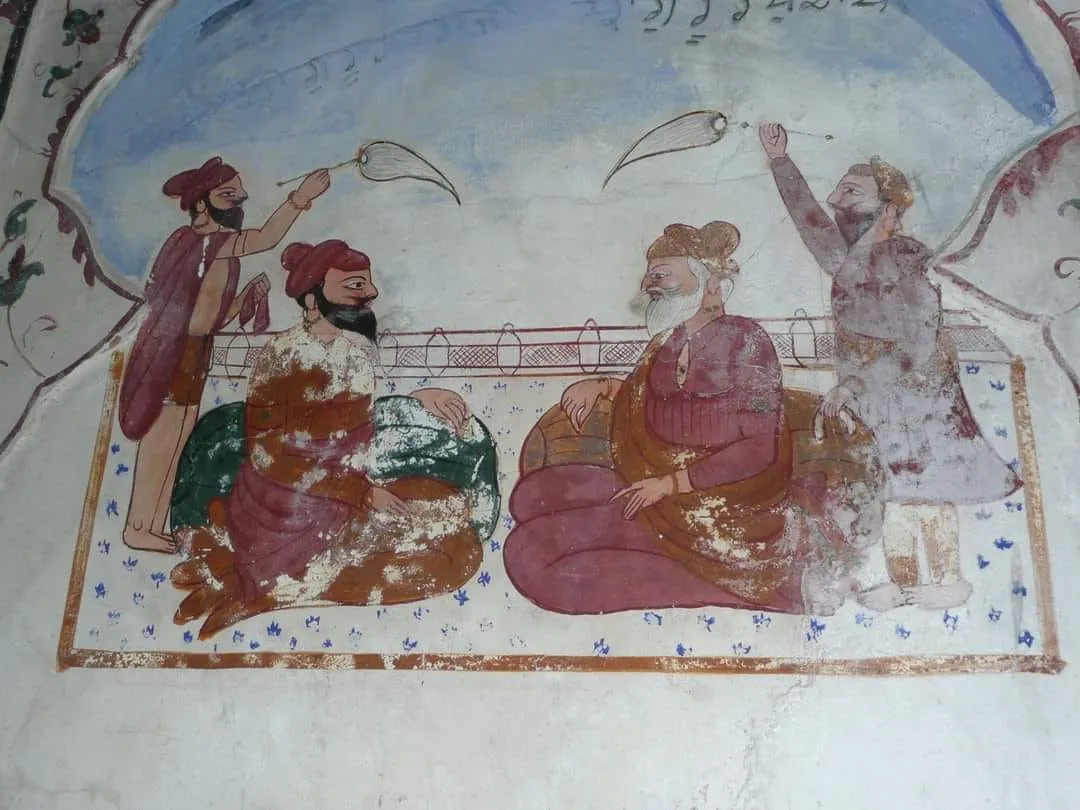
The Encyclopaedia and Macauliffe tell a similar story. Lachhman Dev of Rajauri had once killed a doe while hunting and, moved by remorse, had left home at fifteen to become an ascetic named Madho Das. He had settled by the Godavari at Nanded and was known for his powers.
Sri Guru Gobind Singh Ji came to his hermitage on 3 September 1708. By the end of their encounter he fell at Guru Ji's feet and called himself Guru Ji's banda, or slave. Guru Ji took him to the camp and gave him the rites of the Khalsa.
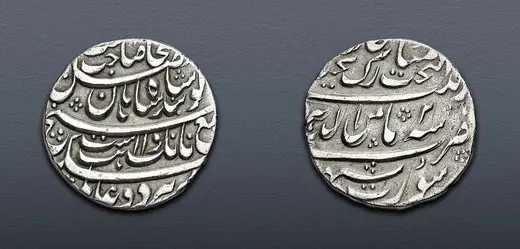
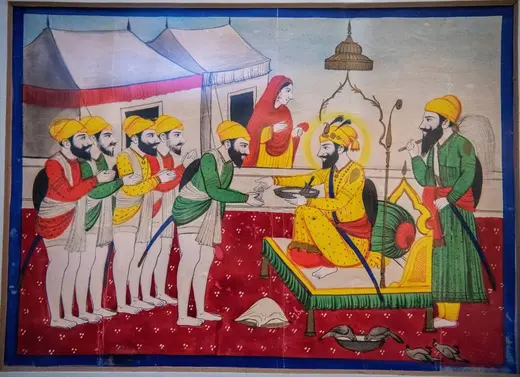
Guru Ji gave him five arrows from the quiver, a drum and a banner, with five Sikhs to go with him, and sent him north against the faujdar of Sirhind, who had martyred the younger sons. He reached the Punjab and took Samana on 26 November 1709.
How do we know?
Several traditional accounts tell this story, without close independent support.
The Encyclopaedia's entry on Banda Singh gives the new name as Banda Singh, and its entry on Guru Ji gives Gurbakhsh Singh. The later events of his rising do show someone acting on the commission, but Sainapati's silence is notable. The Encyclopaedia's entry on hill states adds the chiefs to his targets, while others mention only Sirhind and the provincial governors.
- Later traditionDates the visit to 3 September 1708, gives a drum, banner and five arrows, and names the five Sikhs who went with him, among them Binod Singh and Baj Singh.[EoS]
- Later traditionSays Guru Ji gave five arrows and an escort and told him to fight the tyranny of provincial overlords.[EoS]
- Later traditionTells of the man calling himself Guru Ji's banda, or slave, of the baptismal name Gurbakhsh Singh, and of the charge to go to the Punjab. (pp. 237-238)[Macauliffe]
- From the timeDoes not mention him, an omission the translator discusses. (translator's introduction)[Src]